
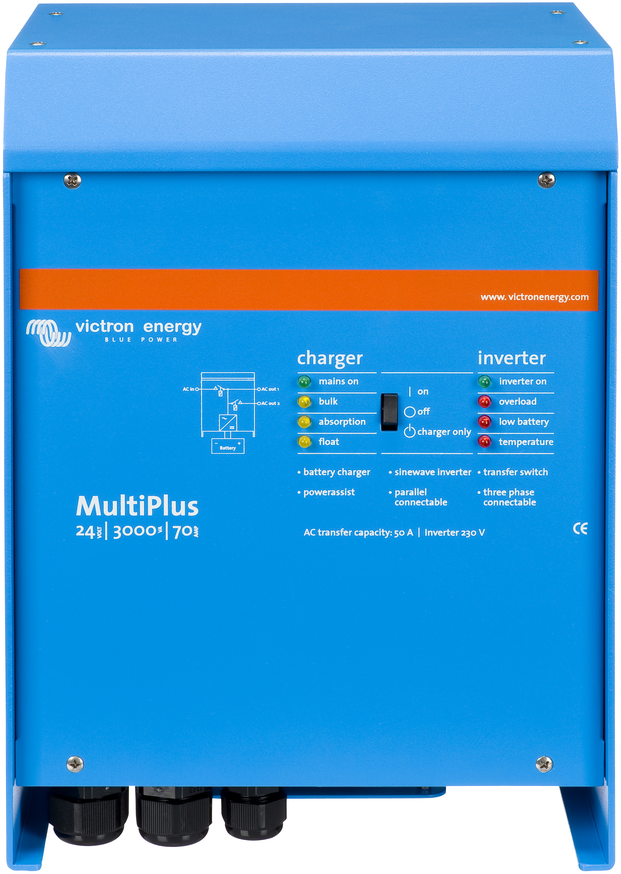
MultiPlus 24/3000/70-50
3kVA inverter · 70A charger · 50A transfer
Runs Cozy's 120V circuits from the battery, charges from shore power and transfers between sources.
A coordinated 24V system turns sunlight, shore power and time on the road into one large, usable reserve - while carrying roughly half the DC current of an equivalent 12V high-power system.
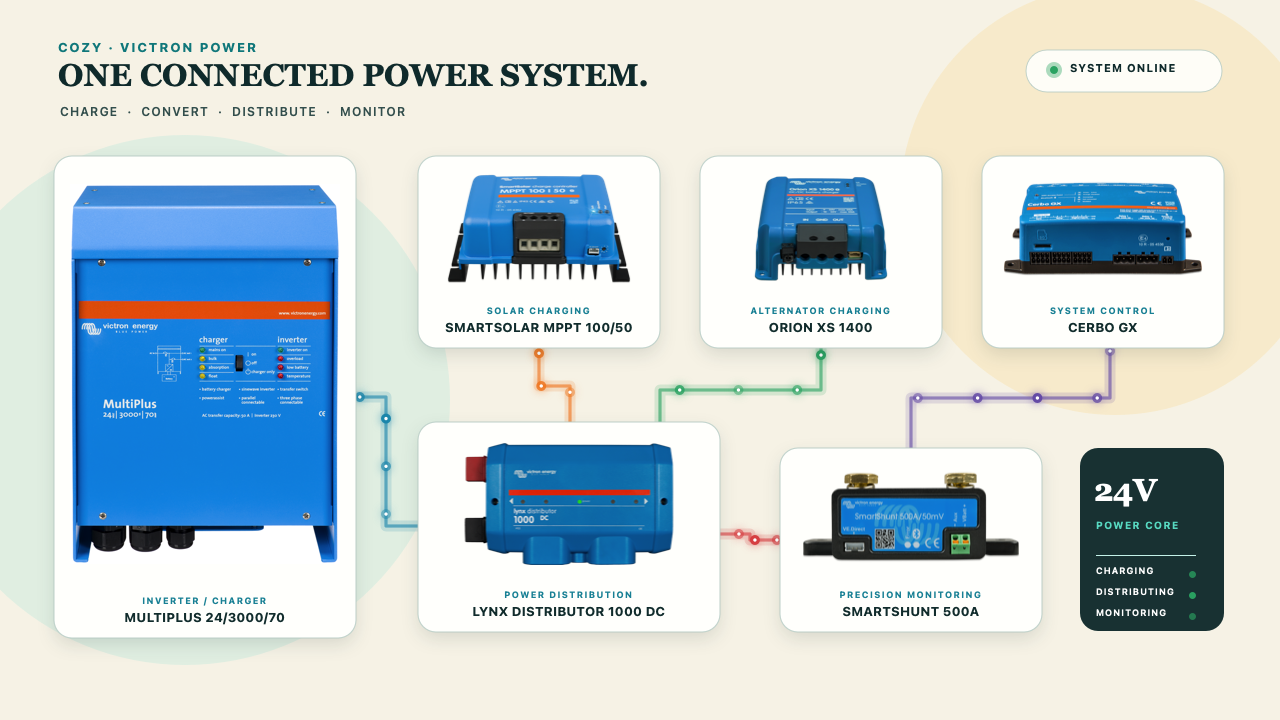
The complete system
The cards begin with what each part does. Model names and technical ratings remain available for readers who want the additional detail.
3kVA inverter · 70A charger · 50A transfer
Runs Cozy's 120V circuits from the battery, charges from shore power and transfers between sources.
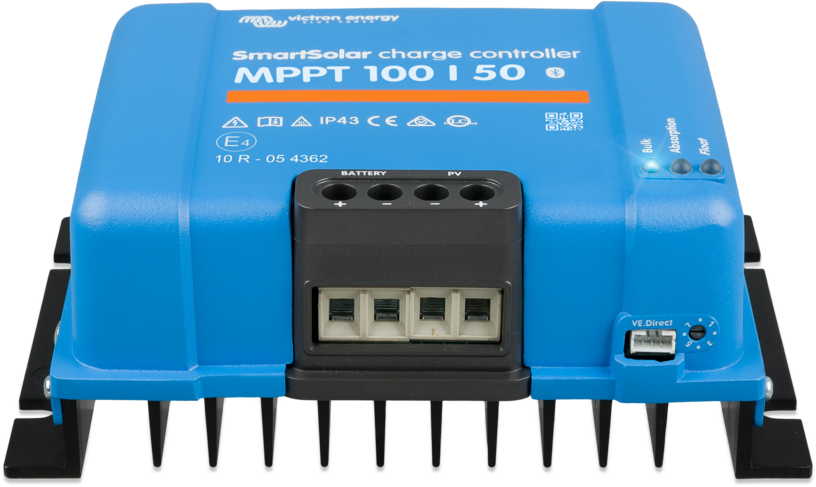
100V PV input · 50A charging
Tracks the array's productive point and regulates solar into the 24V battery bank.
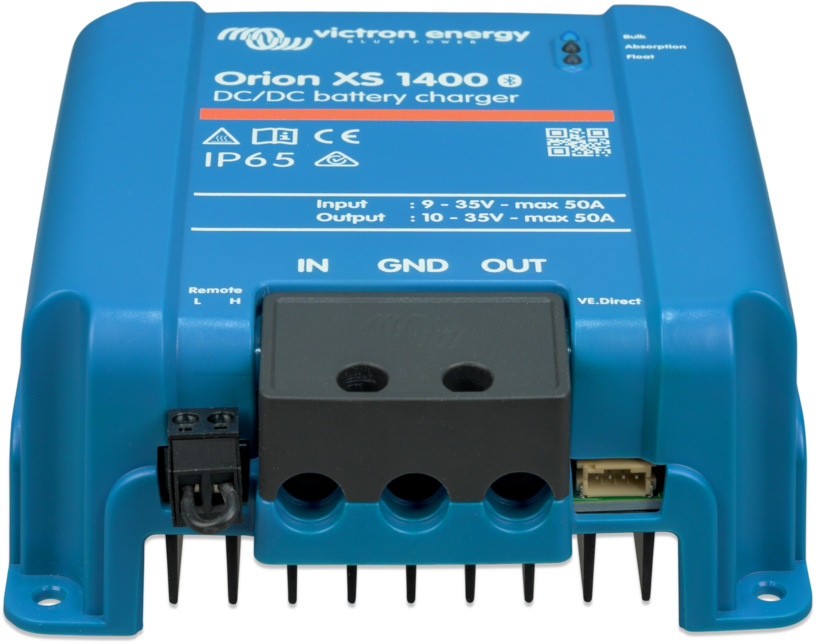
12V alternator → 24V bank
Safely converts power from the Ford Explorer's 12-volt alternator into controlled charging for Cozy's 24-volt battery bank.
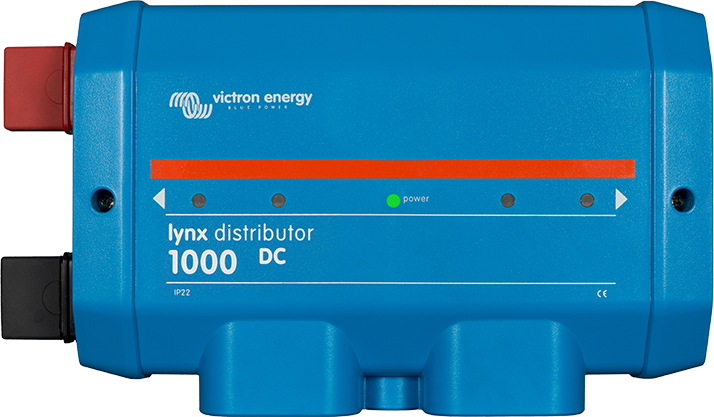
Four monitored fuse positions
Distributes and protects the high-current positive side in one organized service point.
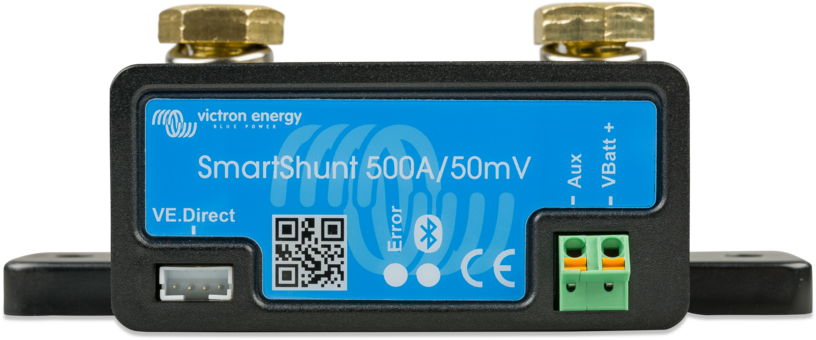
500A negative-side sensing
Measures battery current so state of charge, consumption and charging are based on the full negative return.
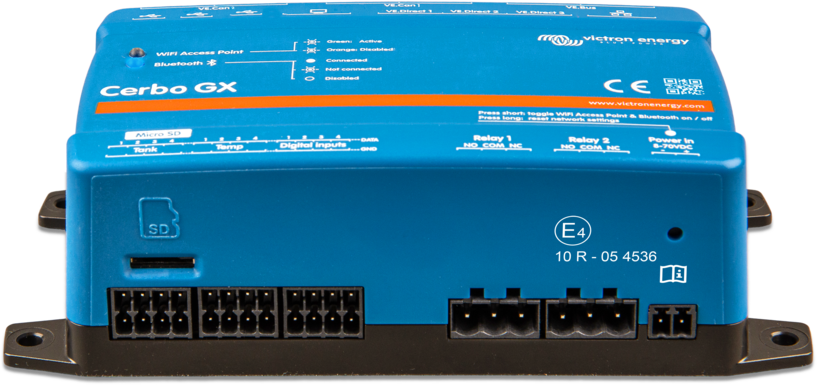
Victron data · VRM · Home Assistant
Collects system information for remote visibility and Cozy's Fire-tablet dashboards; it does not switch high-current power.
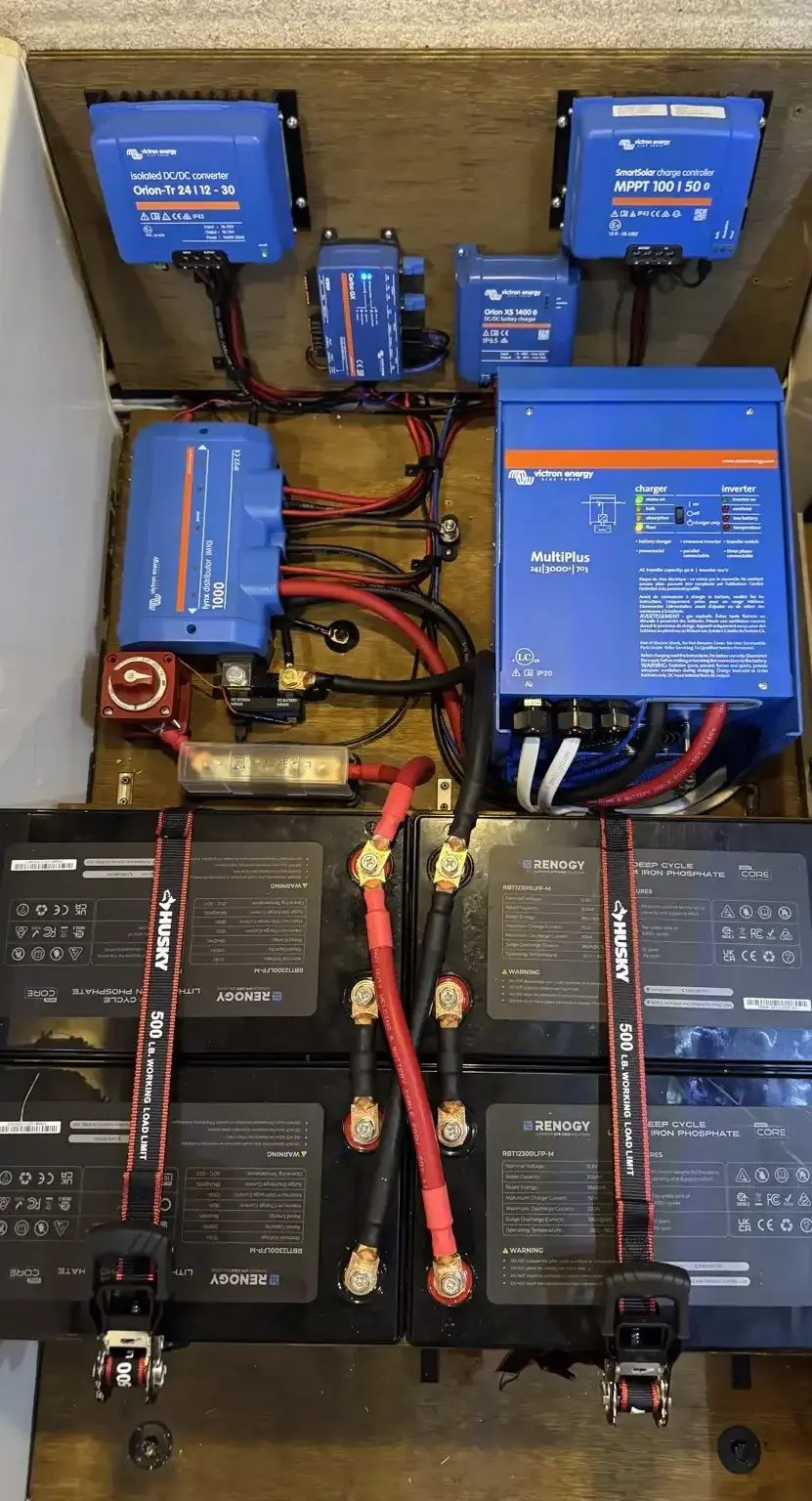
The system as installed
The component cards separate each piece so its purpose is easy to understand. This photograph shows how the same equipment actually fits together beneath Cozy's bed, with the four-battery bank below and the Victron charging, conversion, protection and monitoring hardware above.
The visible cabling is the working installation, preserved as photographed rather than rearranged for a staged picture.
The energy reserve
Each Renogy Core Mini is rated at 12.8V and 300Ah. Two batteries in series create a 25.6V string. Two equal strings in parallel create 600Ah at that system voltage.
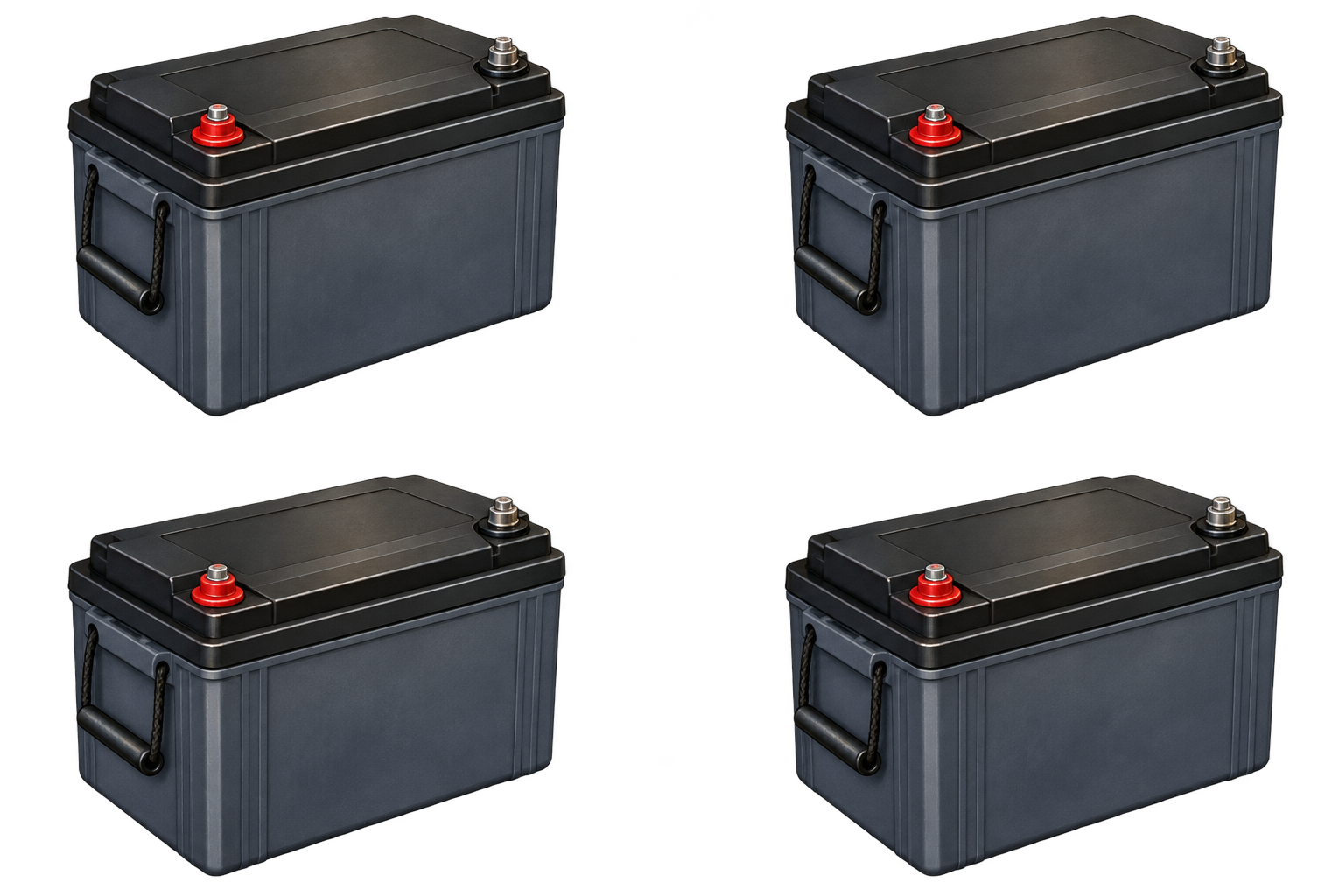
12.8V · 300Ah each
Moving the energy center under the bed created room for the four-battery bank while freeing the original exterior battery compartment for future use.
Idealized DC current before inverter losses. Actual current varies with battery voltage, efficiency and load.
The inverter can deliver the same AC power while the DC side carries roughly half the current, reducing heat and voltage drop.
Lower current can allow smaller conductors or fewer parallel runs, simplifying routing, terminations and cable cost.
The 3kVA MultiPlus and Country Mod A/C fit naturally on 24V, while a converter preserves the original 12V camper systems.
Roof solar
The solar controller continually adjusts to changing light, then safely regulates charging into the 24-volt battery bank.
Campground
A 30A locking inlet feeds the camper. The MultiPlus passes power to 120V circuits and can replenish the battery through its 70A charger.
The road
Buck-boost DC-DC charging converts the Explorer’s alternator supply into controlled charging for the 24V battery bank.
The roof array
Four panels form one uninterrupted front-to-back line on each side of the curved roof. Each panel meets the next along its short edge, exactly as Cozy's side profile shows.
Cooling
Cozy does not ask one air conditioner to be ideal in every power situation.
Normally 300–500W parked
Efficient direct-DC cooling protects the reserve while providing real relief away from hookups. Higher draw can occur with conditions and operating mode.
13,500 BTU · ~1,500–1,700W
High-output 120V cooling is the right tool when campground power is available and the battery does not need to carry the full load.
What was preserved
A dedicated 24V-to-12V converter keeps the Casita’s original low-voltage systems in their native world. Lights, the water pump and ventilation fans continue to feel familiar while the high-power backbone operates at 24V.
Functional topology
measured idle DC draw
typical parked 24V A/C draw
typical shore A/C range
Operating figures are observed or typical values for Cozy, not guaranteed ratings. Wiring diagrams are conceptual; installed conductors, fuses, disconnects, grounding and service procedures must be verified before work.
Replace a dedicated GX Touch with friendly whole-camper displays.

Combines Victron data with camper sensors, trends and alerts.

Extends remote awareness and real work beyond the campsite.
Translate pitch, roll and heading into useful setup guidance.